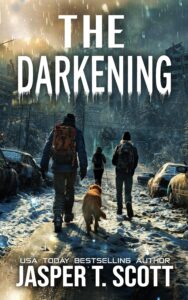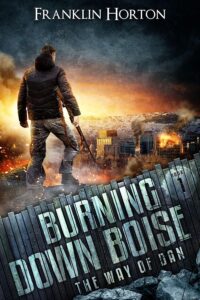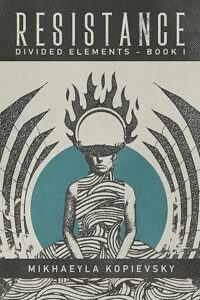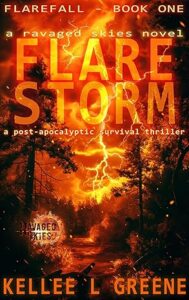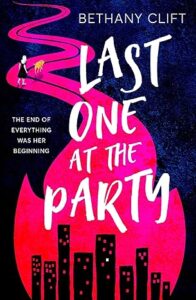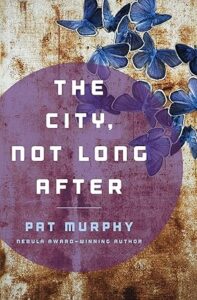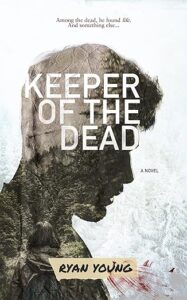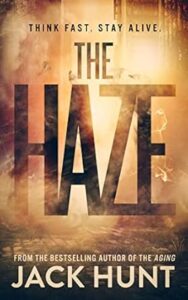
Stories that skip the explosion and stay for the aftermath, the rebuilding, and the choices people make once the world is already different.
Most post apocalyptic books focus on the moment everything collapses. The disaster. The countdown. The before and after line that splits the world in two.
These books are less interested in that moment.
They care about what happens once the dust settles. Once survival becomes routine. Once people have to decide how to live in a world that is not going back to normal.
If you like your post apocalyptic books quieter, more reflective, and grounded in long-term consequences, this is where things get interesting.
Why Some Post Apocalyptic Stories Look Forward Instead of Back
The immediate aftermath gets all the attention. The long-term rarely does.
Stories set after the panic fades have room to ask different questions. How do people rebuild trust. What does community look like when the old rules no longer apply. Which parts of the past are worth saving, and which ones deserve to stay buried.
These books trade spectacle for staying power. The tension is slower. The stakes feel more personal. The danger is not always loud, but it is constant.
What These Post Apocalyptic Books Focus On Instead
Rather than replaying the fall of civilization, these stories live in the aftermath.
They focus on daily survival instead of dramatic escapes. On relationships reshaped by loss and scarcity. On systems people create to replace what vanished, sometimes thoughtfully, sometimes badly.
The world has already ended. Now the characters have to live in it.
Who These Books Work Best For
These post apocalyptic books work well for readers who prefer character over catastrophe.
If you like stories about rebuilding, moral compromise, and long-term survival rather than nonstop destruction, this corner of the genre tends to hit harder in quieter ways.
They reward patience and attention. They also tend to linger once you finish.