Which Domestic Thriller Should You Read First?
The best place to start depends on what kind of trouble you enjoy reading about. Domestic suspense covers everything from missing spouses to dangerous neighbors, and not every story relies on the same kind of twist.
For Marriage Secrets and Betrayal
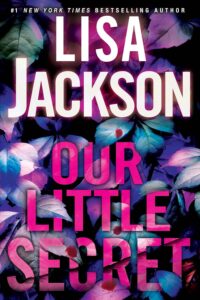
If you love stories about relationships that unravel under pressure, start with Our Little Secret by Lisa Jackson. Affairs, obsession, and dangerous decisions make it a fitting choice for readers who enjoy watching trust fall apart.
Or try The Husband by Darren O’Sullivan, where a missing wife and growing mistrust turn a marriage into a nightmare.
For Dangerous Neighbors and Unwelcome Guests
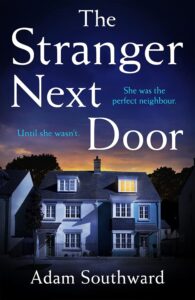
Sometimes the most frightening person is the one living right next door. The Stranger Next Door by Adam Southward explores the fallout of shocking accusations involving a neighbor.
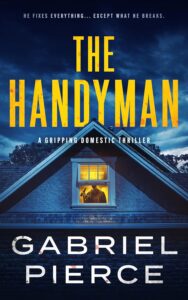
For a different kind of danger, The Handyman by Gabriel Pierce turns the idea of a helpful stranger into something far more threatening.
For Family Secrets and Impossible Choices
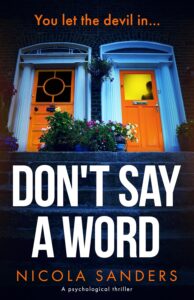
Family loyalty gets complicated when protecting someone means hiding the truth. Don’t Say a Word by Nicola Sanders explores the consequences of a family cover-up and the choices people make when everything is at stake.
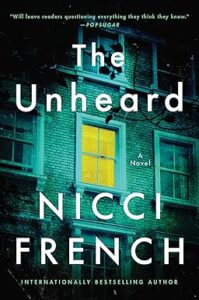
In The Unheard by Nicci French, a mother’s concern about her daughter’s disturbing behavior raises unsettling questions about what may really be happening.
For Houses That Feel Anything but Safe
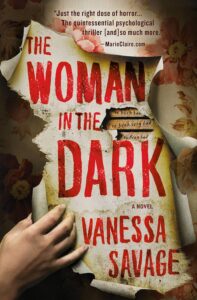
If you prefer suspense that makes an ordinary house feel like the last place you’d want to spend the night, pick up The Woman in the Dark by Vanessa Savage. Its connection to a house with a violent past brings family secrets and fear together.
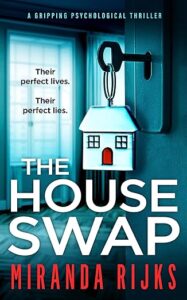
There’s also The House Swap by Miranda Rijks, where two families exchange homes and discover that other people’s lives may contain secrets they’d rather not uncover.
Domestic Thriller vs. Psychological Thriller: What’s the Difference?
Domestic thrillers and psychological thrillers have plenty in common, but they aren’t exactly the same thing.
Domestic thrillers focus on danger within familiar relationships and settings: marriages, families, friendships, households, and neighborhoods. The suspense often grows from betrayal, hidden motives, or the realization that someone close can’t be trusted.
Psychological thrillers focus more broadly on the mind. They use manipulation, obsession, unreliable memories, distorted perceptions, and mind games to make readers question what’s real.
There’s considerable overlap. A novel about a manipulative spouse might fit both categories, while a psychological thriller about a criminal investigation might have little to do with domestic life.
If unreliable narrators and mind games are your favorite kind of suspense, explore our best psychological thriller books for even more twist-filled recommendations.
What Makes a Good Domestic Thriller?
The best domestic thrillers don’t need elaborate conspiracies to create suspense. They make ordinary relationships feel dangerous by showing how much someone can hide from the people closest to them.
Secrets With Real Consequences
A hidden affair, a buried crime, a suspicious disappearance. In a strong domestic thriller, the secrets aren’t just there to surprise readers. They threaten relationships, reputations, and sometimes lives.
Familiar Places That Become Threatening
Homes, schools, neighborhoods, and family gatherings should feel familiar. Domestic thrillers turn those settings into places where something terrible might happen. The contrast between everyday life and unexpected danger makes the suspense more personal.
Characters Who Aren’t Easy to Trust
A convincing domestic thriller keeps you questioning people’s motives. A spouse might be hiding something. A neighbor might know more than they’re admitting. Even the person telling the story might not have the full picture.
And when you finally think you’ve figured everyone out? That’s often when things get interesting.
Frequently Asked Questions About Domestic Thrillers
Are domestic thrillers the same as psychological thrillers?
No. Domestic thrillers center on threats within close relationships and familiar settings, while psychological thrillers emphasize manipulation, perception, obsession, and mind games. Many books belong to both subgenres.
Do domestic thrillers always involve murder?
No. Domestic thrillers can involve stalking, disappearances, blackmail, deception, obsession, and other forms of danger. Murder may raise the stakes, but it isn’t required.
Are domestic thrillers always about married couples?
Not at all. Although troubled marriages are common, domestic thrillers can explore relationships between parents and children, siblings, friends, neighbors, and caregivers. The defining feature is danger within a familiar personal world.
What’s a good domestic thriller about family secrets?
Don’t Say a Word by Nicola Sanders is a strong choice if you enjoy family cover-ups and difficult loyalties. You might also try Once Upon a Lie by Maggie Barbieri for another suspenseful story built around buried truths.
Find Your Next Thriller
If these books have taught us anything, it’s that a perfectly ordinary home can hide a remarkable number of terrible decisions.
Whether you prefer suspicious spouses, dangerous neighbors, or family secrets that refuse to stay buried, there’s plenty more suspense waiting for you.
Explore our thriller book recommendations for more ways to fill your reading list.