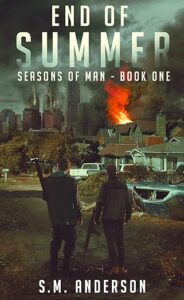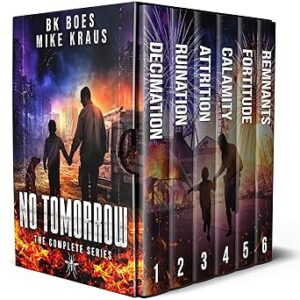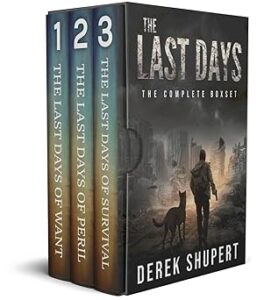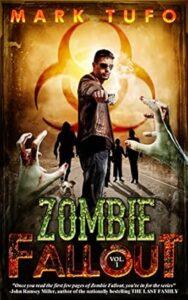
Collapse stories for readers who like survival, pressure, and fictional disaster from a safe distance
Post-apocalyptic fiction works because it turns the end of the world into something intensely personal. The power fails, the rules change, and suddenly every choice carries more weight than it did yesterday.
That is the real pull of these stories. Yes, there may be plagues, zombies, bunkers, ruined cities, rogue governments, or suspiciously important canned goods. But the heart of the genre is human. Who protects whom? Who adapts? Who breaks? Who keeps going when the old instructions no longer apply?
For readers who like danger with emotional pressure, post-apocalyptic fiction offers a very specific kind of tension. It lets us sit with fear, loyalty, survival, and hope while still enjoying the underrated luxury of indoor plumbing.
Why Post-Apocalyptic Fiction Feels So Immediate
Post-apocalyptic fiction removes the buffer between choice and consequence. Food matters. Shelter matters. Trust matters. A bad decision can cost more than embarrassment, which is deeply unfair because most of us are still haunted by emails we forgot to answer.
That immediacy is part of the appeal. These stories make readers think through what they would do in the same situation, then politely remind us that most of our plans depend on Wi-Fi, grocery stores, and someone else knowing how generators work.
The tension is practical, but it’s also emotional. Survival is about deciding what kind of person you can afford to be when the world stops making that easy.
The Comfort of Fictional Disaster
There’s something strange and satisfying about reading disaster from safety. Post-apocalyptic books let us face big fears at a distance, which is probably the healthiest way to contemplate the end times unless you have a bunker budget and a deeply organized spreadsheet.
These stories turn modern anxieties into narrative pressure. Climate collapse, pandemics, surveillance, isolation, political instability, technology failure, and scarcity all show up in different forms. The genre does not make those fears smaller, but it does give them shape.
A book can take a fear that feels too big to hold and turn it into a road, a city, a family, a locked bunker, or one impossible choice. Suddenly, the anxiety has characters. It has stakes. It has chapters.
What Survival Reveals About People
The best post-apocalyptic fiction is rarely only about what destroyed everything. It is about what happens after, when people have to decide what rules still matter.
Some characters cling to order because it feels safer than uncertainty. Some become dangerous because nobody is left to stop them. Some protect strangers, build communities, bury the dead, tell stories, or keep moving because stopping would mean admitting how much has been lost.
That is where the genre gets interesting. It forces decisions ordinary life can delay, disguise, or bury under routine.
Steal to survive? Lie to protect someone? Trust a stranger? Leave someone behind? Post-apocalyptic fiction keeps returning to those questions because they are uncomfortable, and because readers are apparently very normal about wanting fictional people to suffer through moral dilemmas on our behalf.
Post-Apocalyptic Fiction Books for a World After the World
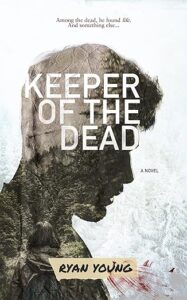
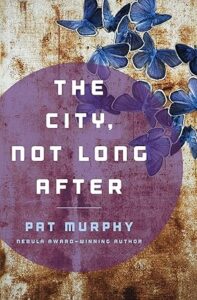
These post-apocalyptic fiction books move from controlled societies and rebellion into survival journeys, plague-ravaged roads, zombie threats, family rescue missions, and more reflective stories about memory, art, and what people carry forward. The setting changes from book to book, but the pressure stays personal.