Which Kind of Psychological Horror Do You Want to Read?
The most useful starting point is the kind of fear you enjoy reading about. Uncertainty about reality creates a different experience from family cruelty, supernatural pursuit, or graphic violence.
Three starting points from the book list
| If you want… |
Start with… |
What draws you in |
| Uncertainty about perception and control |
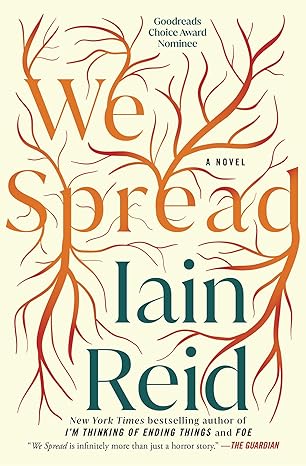
We Spread by Iain Reid |
Aging, unfamiliar routines, and growing doubts about a care residence. |
| Possession and an intimate perspective |
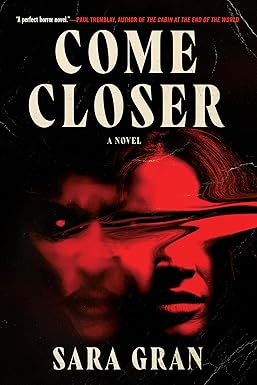
Come Closer by Sara Gran |
A narrator confronting disturbing changes in her behavior and experience. |
| A mystery driven by memory and secrets |
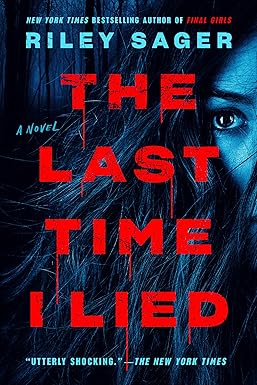
The Last Time I Lied by Riley Sager |
A thriller crossover about a return to summer camp and unresolved disappearances. |
These are starting points rather than a ranking. Choose the premise that interests you, then check whether its pacing and subject matter fit what you want to read.
What Makes Psychological Horror Unsettling?
Psychological horror puts pressure on a character’s ability to understand what’s happening and decide whom to trust. A familiar room, a conversation, or a memory can become threatening when the information no longer fits together.
Unreliable narration is one way to create that uncertainty, but manipulation and isolation can work just as well. A character may understand the danger perfectly and still have no way to make anyone believe them.
That’s part of the appeal for readers who enjoy piecing things together. You’re following the events while also deciding how much confidence to place in the explanation you’ve been given.
Psychological Horror vs. Psychological Thriller: What’s the Difference?
Psychological horror places fear and dread at the center of the reading experience. Psychological thrillers usually place more emphasis on suspense, hidden motives, and discovering what happened or what someone will do next.
The boundary is flexible. A novel can use a mystery structure while creating horror through its atmosphere, imagery, or implications. That’s why this selection includes crossover reads alongside books more firmly associated with horror.
If you prefer secrets and investigations, explore our psychological thriller books. For a broader selection of frightening reads, browse our horror book recommendations.
Can Psychological Horror Include Ghosts or Possession?
Yes. Psychological horror describes how fear develops, so it can overlap with supernatural horror. A haunting or possession can become especially unsettling when a character doubts their own experience or struggles to convince other people that something is wrong.
Sara Gran’s Come Closer is one example of that overlap. Its intimate perspective makes the narrator’s changing behavior part of the threat. Iain Reid’s We Spread takes a different approach, building uncertainty around an aging artist’s experience in a care residence.
For more stories where familiar spaces become threatening, try our haunted house books. Our Gothic horror guide is another place to look for atmosphere, isolation, and unsettling secrets.
Are Psychological Horror Books Always Graphic?
No. Some rely heavily on atmosphere, uncertainty, and emotional pressure. Others combine those elements with explicit violence or body horror, so the psychological horror label alone won’t tell you how graphic a book will be.
Check content notes for the individual title before choosing it. If disturbing physical imagery is part of what you’re looking for, our body horror books guide gives you another direction to explore.
Find Your Next Unsettling Read
Choose the fear you want to spend time with, whether that’s uncertain memories, dangerous relationships, or the feeling that something familiar has changed. You don’t need to pick the most intense book to find one that stays with you.
Like finding books this way? Get our daily eBook deals for more human-curated selections on sale. We’ll handle the browsing so you have more time to read.