What Counts as Fake Dating in Romance?
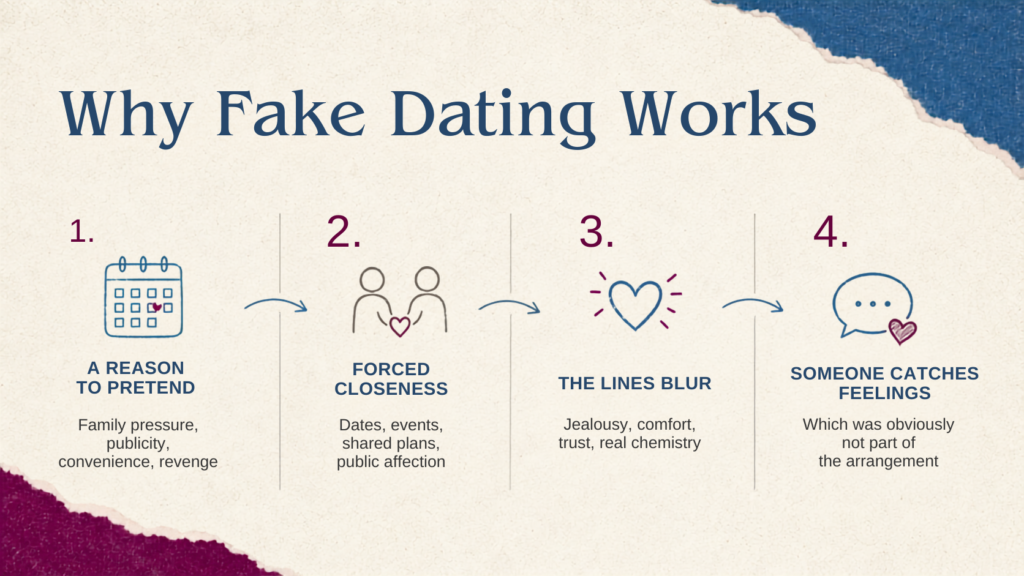
Fake dating means the central characters agree to present themselves as romantically involved even though they are not actually a couple when the arrangement begins. The relationship is a performance with a purpose.
That purpose might be repairing a reputation, surviving a family event, making an ex jealous, helping a career, satisfying royal expectations, securing an inheritance, or simply arriving somewhere with a convincing plus-one.
The defining feature is not why they agree to it. It is that the characters have to behave like a couple before they have agreed to become one. That gives every supposedly staged touch, private conversation, and unscripted moment a little more weight.
Fake Dating vs. Marriage of Convenience
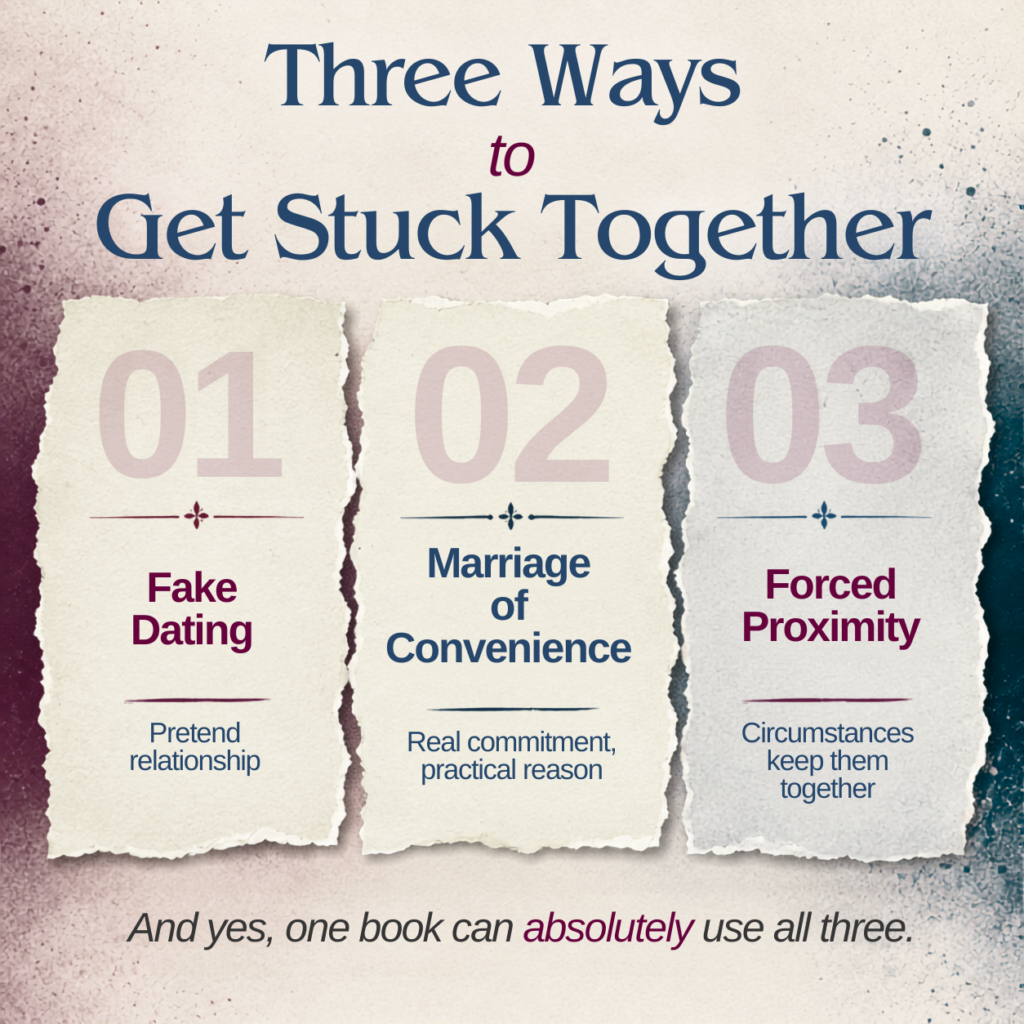
Fake dating, marriage of convenience, and forced proximity often overlap in romance, but they describe different parts of the relationship setup.
| Trope |
What the Characters Agree To |
Where the Tension Comes From |
| Fake dating |
Pretend to be romantically involved |
Public affection starts feeling private |
| Marriage of convenience |
Enter a practical or legal marriage |
Commitment exists before emotional intimacy |
| Forced proximity |
Spend significant time together because circumstances require it |
Closeness creates opportunities for the relationship to change |

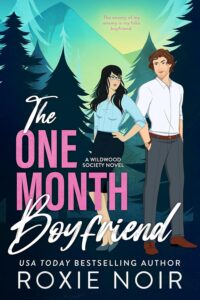
A romance can use more than one of these at once. The Husband Hoax pushes the fake-relationship premise into fake-marriage territory, while The One Month Boyfriend combines pretending with existing friction between two people who already know exactly how to irritate each other.
Why Fake Dating Keeps Showing Up in Book Recommendations
Fake dating is unusually well suited to trope-first book discovery because readers can understand the basic appeal almost immediately. Two people have a reason to pretend. They establish rules. Then the story gets to test exactly how useful those rules are once attraction enters the arrangement.
That kind of shorthand matters on social platforms where readers increasingly discover romance through tropes. In a Publishers Weekly interview about 2026 romance trends, literary agent and BookTok creator Alyssa Morris called BookTok the most powerful force affecting reading trends.
Trope-based discovery also extends beyond social media. Romance.io groups fake relationships as a searchable romance topic that readers can combine with other preferences, which reflects how specific romance discovery has become.
Which Fake Dating Romance Should You Read First?
With 17 books on the list, the easiest starting point is usually the version of fake dating you already know you enjoy.
| If You Want |
Start With |
| Sports and publicity |
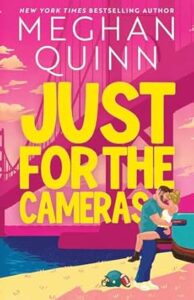
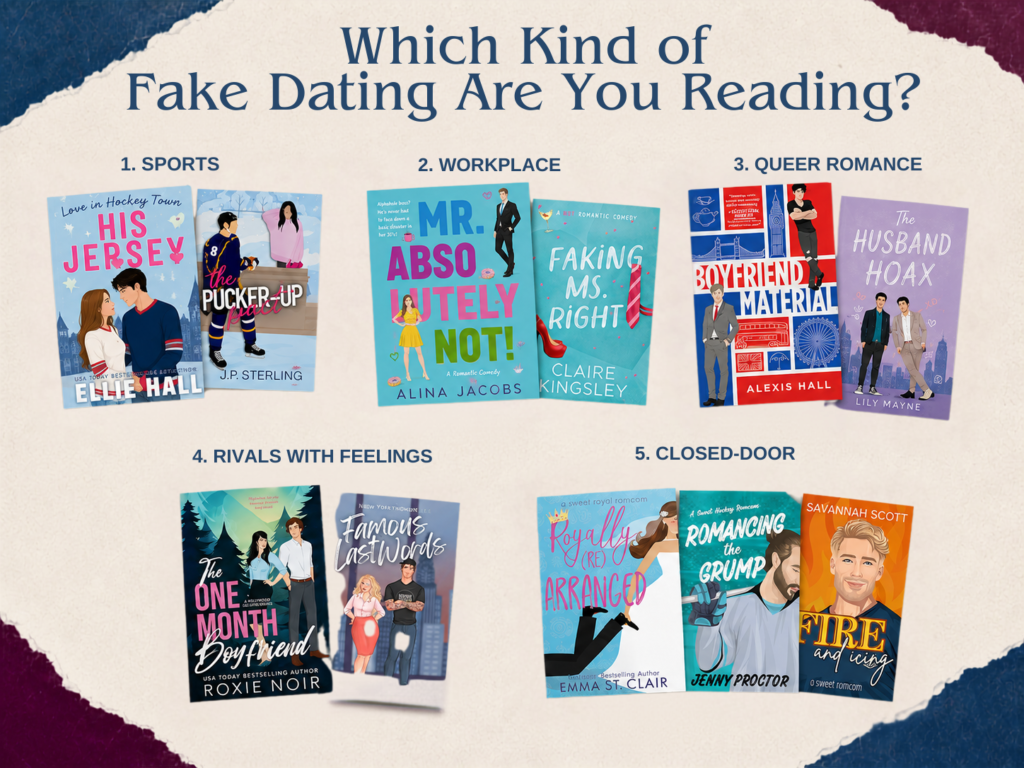
Just For the Cameras, His Jersey, or The Pucker-Up Pact |
| Workplace romance |
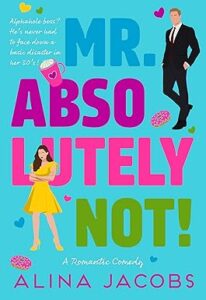
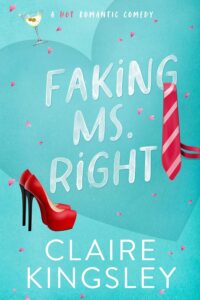
Mr. Absolutely Not! or Faking Ms. Right |
| LGBTQ+ romance |
Boyfriend Material or The Husband Hoax |
| Enemies-to-lovers tension |
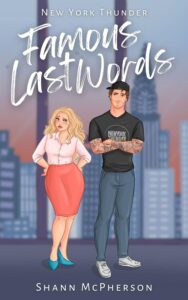
The One Month Boyfriend or Famous Last Words |
| Closed-door romance |
Royally Rearranged, Romancing the Grump, or Fire and Icing |
| An unusual premise |
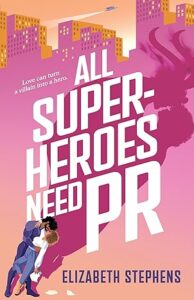
All Superheroes Need PR |

If your preferred version involves a close-knit setting and far too many people noticing what the couple is doing, our small-town romance books offer plenty more public scrutiny.
Fake Dating Romance Books FAQ
Are fake dating romance books always romantic comedies?
No. Fake dating is especially common in romantic comedies, but the trope also appears in sports romance, workplace romance, queer romance, royal romance, small-town romance, and more emotionally intense contemporary stories.
Are fake dating romance books usually spicy?
Heat levels vary considerably. This list includes closed-door romance as well as steamier adult titles. Readers looking specifically for higher-heat recommendations can also browse our spicy romance books.
Are there LGBTQ+ fake dating romance books?
Yes. Boyfriend Material and The Husband Hoax are two examples on this list. Fake relationships work across different pairings and romance subgenres, and our gay romance book recommendations include more relationship setups beyond this trope.
Can fake dating also be enemies-to-lovers?
Yes. Fake dating and enemies-to-lovers work particularly well together because the characters are required to perform affection before they have resolved the conflict between them. The One Month Boyfriend and Famous Last Words both bring existing friction into the fake relationship.
What is the difference between fake dating and a fake marriage?
Fake dating requires characters to pretend they are romantically involved, while a fake marriage adds a legal or publicly recognized marriage to the arrangement. A fake marriage can be a form of fake relationship romance, but not every fake dating story involves marriage.
Pretending Is Usually the Easy Part
The practical part of fake dating is rarely the real problem. The characters can rehearse the story, plan the public appearances, establish boundaries, and agree on an end date. Feelings remain extremely uncooperative.
That is why the trope keeps working. Readers know the relationship is supposed to become real. The fun is finding out which rule breaks first and how long it takes the people involved to admit they stopped pretending several chapters ago.
Looking for more romance without spending half your reading time searching for it? Choose your favorite genres and get daily eBook deals from Apropos Books.