What Counts as Forced Proximity in Romance?
Forced proximity describes the circumstance keeping two characters in repeated close contact. It does not require a snowed-in cabin, a broken elevator, or the famous single available bed.
A workplace assignment can do it. So can travel, summer camp, a sports team, a protection detail, shared housing, a fake relationship, an arranged marriage, or a dangerous situation where separating would make matters worse.
The one-bed trope can certainly create forced proximity, but it is only one version of it. The defining feature is sustained, unavoidable interaction rather than one specific setting.
That flexibility is also why forced proximity overlaps so easily with other romance tropes. The circumstance creates the closeness. The relationship between the characters determines what happens once they are stuck there.
Why Forced Proximity Works So Well
Forced proximity gives characters more opportunities to see each other without their usual defenses. They have to finish the conversation after the argument. They notice who handles pressure well, who shows up when something goes wrong, and who is considerably harder to dislike after spending an unreasonable amount of time together.
There is also a real psychological concept behind part of that familiarity. Research on the mere exposure effect has found that repeated exposure can influence familiarity and liking, although the relationship has limits and does not simply increase forever. That does not explain fictional romance, obviously, but it does help explain why repeated contact is such an intuitive setup for changing how two characters see each other.
That makes the trope especially useful when the characters begin with resistance. Rivals and enemies can maintain a very simple version of each other from a safe distance. Constant interaction makes that much harder.
If conflict is the part you enjoy most, our enemies-to-lovers romance books lean further into grudges, rivalry, resentment, and the slow realization that the other person may have been badly misjudged.
Forced proximity also creates room for smaller romantic beats between the obvious ones. Attraction may start the problem, but familiarity gives the relationship somewhere to go.
Forced Proximity vs. Other Romance Tropes
Forced proximity overlaps with several popular romance tropes, but they describe different parts of the relationship.
| Trope |
What Defines It |
How It Can Overlap |
| Forced proximity |
Circumstances require repeated time together |
Creates the setting for other tropes to develop |
| Enemies-to-lovers |
The characters begin in genuine conflict, rivalry, or opposition |
Proximity removes their ability to simply avoid the conflict |
| Fake dating |
The characters agree to perform a romantic relationship |
Public appearances and shared obligations keep them together |
| Marriage of convenience |
Marriage begins for practical rather than romantic reasons |
Marriage often creates shared space and expectations |
| Slow burn |
The romantic relationship develops gradually |
Repeated proximity gives a gradual relationship more time to change |
A book can use several of these at once. Fake dating may require public appearances, family events, carefully rehearsed backstories, and considerably more time together than either person planned. If that version of the problem works for you, our fake dating romance books have plenty of pretend relationships with increasingly questionable boundaries.
Marriage can create the same pressure. The reason for getting married may be practical, strategic, accidental, or family-driven, but sharing a life tends to introduce considerably more contact than the original agreement accounted for.
Choose a Forced Proximity Romance by Setup
With 16 books on the list, the easiest starting point may be deciding what kind of situation you want keeping the characters together.
| If You Want |
Start With |
| Workplace friction |
The Worst Guy, Dear Enemy, A Lot to Unpack, Cover Story |
| Sports and team settings |
See You at the Finish Line, Never Will I Ever, Lucky Shot, Famous Last Words |
| Queer romance |
See You at the Finish Line, The Allure of Ruins, Never Will I Ever |
| Fake relationships and marriage |
Famous Last Words, Cover Story, The Bodyguard Affair, Best Enemies Forever, Dark Succession |
| Darker stakes |
Enemy Zone, A Captive Situation, Ruining Her, Dark Succession |
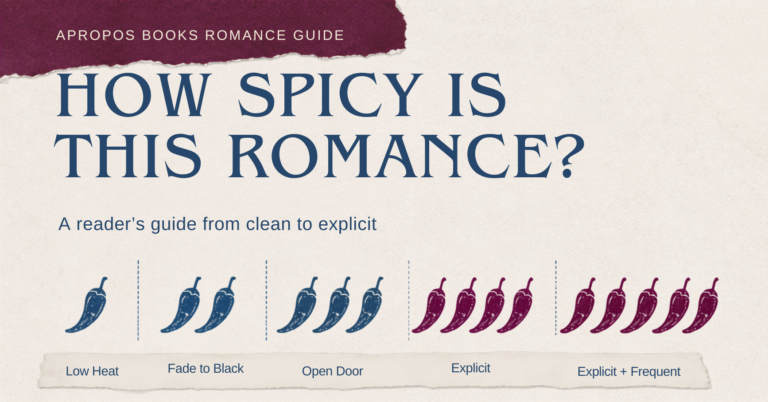
The books here also cover very different tones and levels of on-page intimacy. If heat affects what you pick next, the Romance Heat Levels Guide explains the difference between lower-heat, fade-to-black, open-door, and more explicit romance.
Forced Proximity and Slow Burn
Forced proximity and slow burn work particularly well together because they control different parts of the story. Forced proximity explains why the characters keep spending time together. Slow burn determines how long it takes that time to turn into trust, attraction, or an actual relationship.
That combination is especially satisfying when the characters have good reasons to resist each other. They can be stuck together early in the story and still need hundreds of pages to reconsider resentment, distrust, assumptions, or a very committed refusal to acknowledge what is happening.
If the waiting is part of what you enjoy, continue with our slow-burn romance books for relationships that take their time getting from attraction to payoff.
Choosing Your Next Forced Proximity Romance
The setup may be a workplace, a summer camp, a fake relationship, a marriage, or a situation where leaving is genuinely unsafe. What matters is that the characters stay close long enough for what they thought they knew about each other to become much less convenient.
For more books across contemporary romance, romantic comedy, sports romance, romantic suspense, and other corners of the genre, browse the Apropos Books Romance collection.
Want the book hunting handled for you? Choose your favorite genres and get daily eBook deals from Apropos Books, including romance picks matched to what you actually like to read.